
Do Short-Haired Dogs Shed? What to Expect
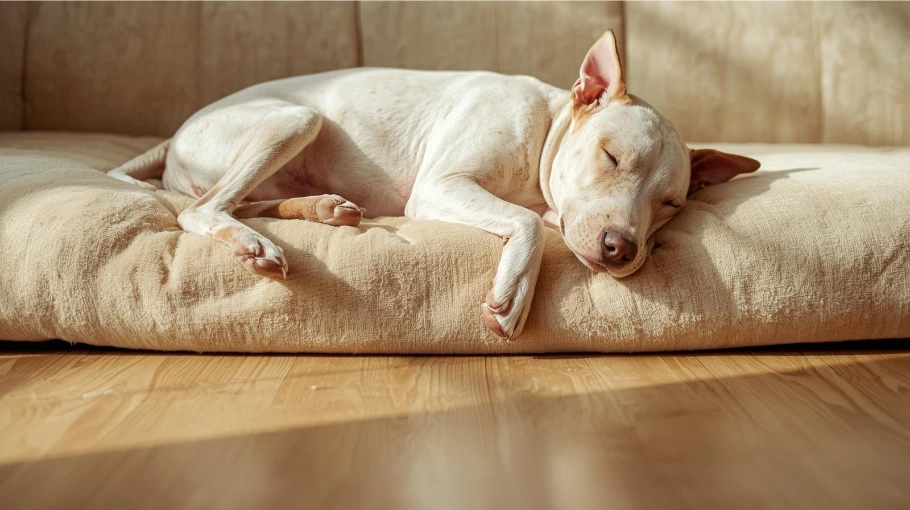
Short-haired dogs do shed. Coat length does not determine whether a dog loses hair — it only affects how noticeable that shedding may be.
Short coats are often assumed to mean low maintenance, but shedding is influenced more by breed and coat type than by hair length alone. In most cases, hair loss in short-haired dogs is completely normal.
Understanding how shedding works helps set realistic expectations.
What Affects Shedding in Short-Haired Dogs?
Shedding in short-haired dogs is influenced by more than coat length. Breed, coat density, seasonal cycles, and overall health all play a role in how much hair is lost and how noticeable it becomes.
Coat Type and Hair Growth Cycles
Dogs may have single or double coats, and both shed. A single coat is typically less dense, but that does not prevent regular hair loss. Double-coated breeds may shed more heavily during seasonal changes.
All dogs move through natural hair growth cycles — growth (anagen), transition (catagen), and resting (telogen). As older hairs enter the resting phase and fall out, new hairs replace them. This continuous cycle explains why shedding occurs year-round in many short-haired breeds.
Coat density also affects visibility. A short but thick coat may leave more noticeable hair around the home than a thinner, sleeker coat.
Seasonal Shedding
Seasonal changes can increase shedding, even in short-haired breeds. In spring and autumn, many dogs adjust their coats in response to temperature and daylight shifts.
Long-haired double-coated breeds often “blow” their undercoat during these periods. Short-haired breeds may not shed in dramatic clumps, but they can lose hair steadily across the year, which may make shedding feel constant.
Health and Diet
Shedding becomes a concern when it is excessive, sudden, or accompanied by irritation, bald patches, or changes in coat texture.
Skin allergies, parasites, hormonal imbalances, and poor nutrition can all contribute to abnormal hair loss. A balanced diet that supports skin health helps maintain a stable shedding pattern, but it will not eliminate shedding entirely.
Can You Stop a Short-Haired Dog From Shedding?
Shedding cannot be stopped entirely. It is a natural biological process tied to the hair growth cycle and coat maintenance.
Some breeds shed more heavily than others, but all dogs lose hair to some degree. Even short-haired breeds continue to replace old hairs with new ones throughout the year.
What can be controlled is the amount of loose hair left around the home. Consistent brushing and appropriate bathing help reduce excess shedding and keep the coat in good condition.
For a more detailed overview of maintaining a short coat, see Short Hair Dog Grooming Simplified. However, these steps manage shedding — they do not eliminate it.
Understanding this distinction prevents unrealistic expectations and helps owners focus on practical maintenance rather than searching for a permanent fix.
How to Manage Shedding in Short-Haired Dogs
Shedding in short-haired dogs cannot be prevented, but it can be reduced with consistent coat care. The goal is to remove loose hair before it falls naturally around the home.
Regular Brushing
Routine brushing helps lift dead hair from the coat and distribute natural oils across the skin. Even short coats benefit from weekly brushing, and some breeds may require more frequent sessions during seasonal changes.
Using dog brushes suited to short coats improves efficiency and reduces irritation.
Bathing and Skin Care
Occasional bathing can help remove loose hair, but over-bathing may dry the skin and increase shedding. Gentle, skin-appropriate shampoos should be used only when necessary.
Maintaining skin health is as important as coat care. Dry, irritated skin often leads to increased hair loss.
Conclusion
Shedding is a normal part of coat maintenance in all dogs, including those with short hair. It may be less visible in some breeds and more noticeable in others, but it cannot be eliminated. With appropriate care, it can be reduced and kept under control.