
How to Choose a Dog Coat for Winter
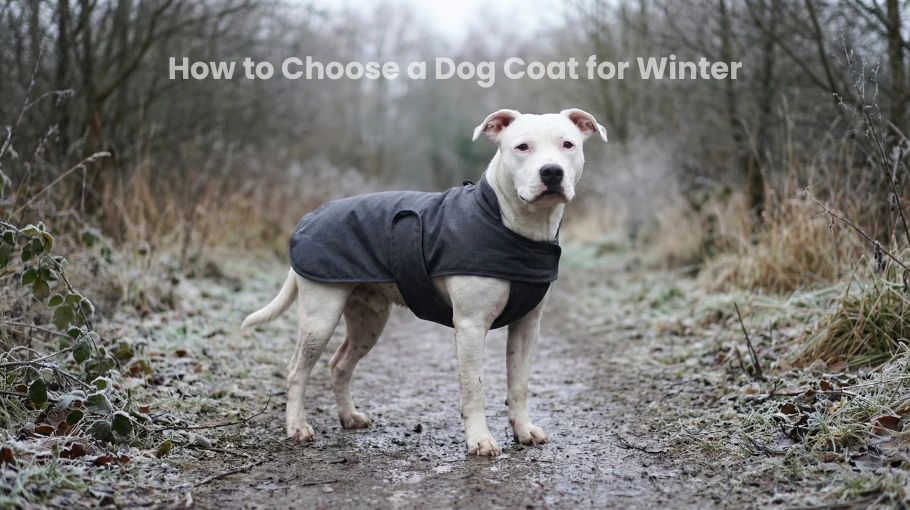
Not all dogs handle winter the same way. Thick-coated breeds often cope well in cold weather, while short or thin-coated dogs lose heat far more quickly.
That difference becomes clearer once winter settles in. Cold rain, damp ground, and wind change how walks feel — even for dogs that seemed comfortable through autumn.
While many dogs can manage without a coat, the right one improves comfort in the right conditions. Some coats add insulation. Others focus on blocking rain and reducing heat loss.
If you already know your dog would benefit from extra protection, you can compare winter dog coat options for single-coat breeds here. Otherwise, the sections below explain how to decide what makes sense for your dog and your usual walking conditions.
How to Choose the Right Winter Coat
Single vs Double Coats in Dogs (And Why It Matters)
How well a dog handles winter largely comes down to coat structure.
Double-coated dogs have a dense insulating underlayer beneath longer guard hairs. That undercoat traps warm air and helps regulate body temperature in cold conditions.
If you’re unsure which your dog has, part the fur or brush it back against the grain. A dense, fluffy underlayer indicates a double coat. If the fur lies flat with no insulating layer beneath, it’s likely single-coated.
Single-coated dogs lack that extra insulation, so heat escapes more easily — especially in wet or windy weather.
Why Activity & Weather Matter More Than Temperature Alone
Temperature alone doesn’t determine how cold a dog feels. Movement, wind, and moisture play a larger role.
Active dogs generate body heat while moving. Once that movement slows — especially in wet or windy conditions — heat is lost more quickly.
Waterproof shells block rain effectively, but without breathability they can trap moisture during activity and leave a dog chilled once they cool down.
Matching the coat to how you actually walk — steady pace versus stop-start routes — prevents both overheating and unnecessary heat loss.
When Extra Protection Makes Sense
A winter coat is most useful in cold, wet, or windy conditions — particularly when a dog isn’t moving continuously.
Slow, on-lead walks, frequent stops, or prolonged exposure increase heat loss, especially for single-coated or older dogs. In these situations, added protection often improves comfort.
However, highly active dogs generate significant body heat during fast-paced or off-lead walks. In those cases, heavy insulation can trap warmth and moisture, leading to overheating and discomfort once movement slows.
The goal isn’t maximum warmth. It’s balance. The right coat supports your dog’s activity level and the conditions you walk in — not just the temperature on the forecast.
Choosing the Right Type of Coat
Different coat styles solve different problems. The aim is to match the coat to your usual walking conditions and your dog’s activity level.
Insulated Winter Coats
Insulated coats retain body heat during slower walks or prolonged exposure in consistently cold conditions, especially when movement is limited.
Used during fast-paced or off-lead exercise, heavy insulation can become excessive. With insulated dog coats, balance matters — enough warmth to protect, without restricting airflow.
Lightweight Raincoats
Lightweight dog raincoats prioritise wind and water protection over deep insulation. A light lining may add some warmth, but their primary role is reducing heat loss caused by rain.
For active single-coated dogs in wet climates, this approach often works better than thick insulation. Breathability remains important, particularly on steady walks.
Drying Coats
Drying coats are used after a walk rather than during it. They absorb moisture quickly and help prevent post-walk heat loss during rest.
They’re useful for dogs that dislike wearing coats outdoors, but they don’t replace protection in cold, wet weather.
Fit and Freedom of Movement
A winter coat only helps if it fits properly. Poor fit is a common reason dogs resist wearing coats or appear uncomfortable despite adequate warmth.
For broad-chested, muscular dogs, freedom around the shoulders often matters more than added insulation.
Common Fit Problems
- Tight armholes that rub during movement
- Narrow chest panels that pull the coat backwards
- Belly straps that interfere with stride
- Limited adjustment points causing shifting or twisting
Over time, these issues can alter gait and reduce comfort.
If you’re unsure how to measure correctly or where fit typically goes wrong, this dog coat sizing guide explains the process clearly.
Dogs That Don’t Like Wearing Coats
Some dogs take time to adjust to wearing a coat. Brief stiffness or hesitation can be normal at first.
Persistent resistance — freezing, refusing to walk, repeated scratching, or awkward movement — usually signals poor fit or restricted movement rather than dislike of the coat itself.
If a well-fitted coat still causes clear discomfort, it may not suit your dog’s activity level or walking routine. In those cases, adjusting exposure time or focusing on post-walk drying may be more effective.
Safety and Maintenance
- Remove coats indoors and in the car to prevent overheating
- Allow coats to dry fully between uses
- Check seams, straps, and fastenings regularly
- Use reflective details for visibility on dark winter walks
Keeping coats clean and dry preserves comfort and performance. Damp or stiff fabric can restrict movement and reduce effectiveness.
Final Thoughts
There’s no single winter coat that suits every dog or every walk. Weather, routine, and activity level all influence how much protection is needed.
The key is balance. In some conditions, added insulation improves comfort. In others, blocking wind and rain — or drying quickly afterwards — makes more difference.
Once you understand how your dog responds to cold and movement, choosing the right winter layer becomes straightforward.