
Best Dog Paw Balms for Protection and Healing
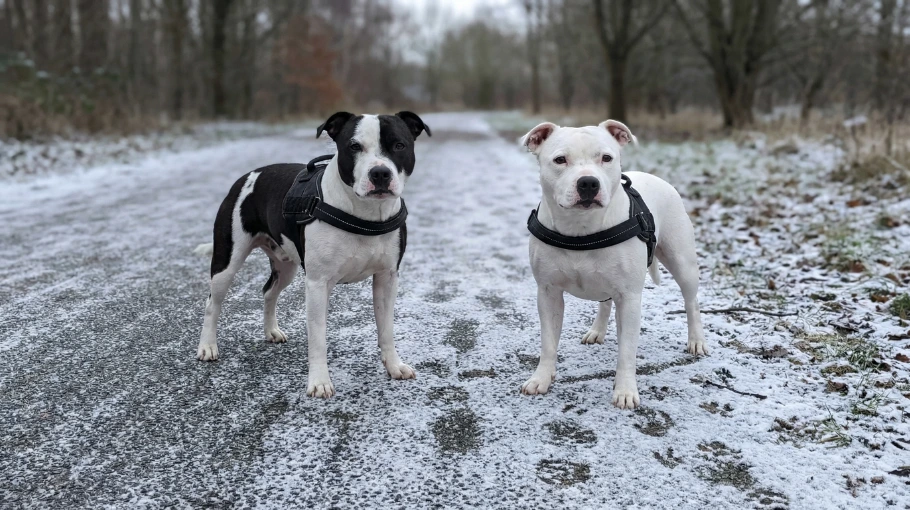
I remember the phase of having two pups convinced they could outwait the rain — standing at the back door, staring out, hoping it would stop. Tough love works when it’s just a case of getting them wet and drying them off indoors afterward.
Winter conditions are different. Frosty pavements, road salt, grit, and icy ground can quickly dry out a dog’s paw pads, leaving them rough, sore, or uncomfortable on walks. That’s when paw care stops being an afterthought and becomes part of the routine.
Dog paw balms help by forming a breathable layer over the pads, reducing contact with salt and grit while sealing in moisture. Some are designed to protect paws before walks, others to soothe and rehydrate afterward, and gentler formulas focus on everyday comfort for sensitive dogs.
Choosing the right one comes down to how (and where) you walk, and how your dog’s paws respond to winter conditions.
Discover 3 of the Best Dog Paw Balms for Different Needs
Best Dog Paw Balm for Active Dogs & Winter Walks
Musher’s Secret Paw Protection Wax

- ✅ Winter walks on salted pavements — breathable wax barrier for grit and ice-melt
- ✅ Helps limit snow build-up between pads while keeping them supple in cold weather
- ✅ Food-grade, scent-free formula — softens paws without making them slippery
🟢 Best for:
Active dogs on winter walks where road salt, grit, and icy pavements are a problem — especially when boots aren’t practical or well tolerated.
⭐ Why it’s the best:
- Forms a breathable wax barrier that protects pads from salt, ice-melt chemicals, and abrasive winter surfaces
- Helps reduce snow clumping between toes without sealing the skin
- Softens and conditions pads without leaving them greasy or slippery
- Made from food-grade waxes and oils, so it’s safe if licked
📌 The cliff notes:
- Apply before winter walks to protect paws from salt, grit, and ice-melt
- Creates a thin, breathable coating, not a thick or sticky layer
- Best suited to short-to-moderate walks on pavements and park paths
- Scent-free and safe if licked thanks to food-grade ingredients
⚠️ Cons:
- Needs reapplying for longer walks or very wet conditions
- Not enough protection on its own for deep snow, sharp ice, or long hikes
- Some dogs dislike the feel during application (common with waxes)
💬 My Take:
When you’re dealing with salted pavements, frosty paths, or slushy winter ground — and your dog won’t tolerate boots — this is the type of product that makes sense.
It was originally developed in Canada for sledding dogs, which gives some useful context for what it’s designed to handle. That background doesn’t turn everyday walks into expedition-level protection, but it does explain why it works reliably as a winter barrier under normal conditions.
Musher’s Secret isn’t designed for extreme environments or long treks in deep snow. It works best as a practical, everyday barrier for normal winter walks, helping to reduce salt irritation and dryness without changing how your dog moves.
It’s particularly suited to those who want simple protection without the faff of boots, and who are realistic about its limits. Think quick outings, pavements, park paths, and typical winter conditions — not ice trekking or mountain walks.
If you need more than that, boots are still the better option. But for many dogs, a breathable paw wax like this is enough to take the edge off winter wear.
Best Healing Balm for Cracked or Dry Paws
Natural Dog Company Paw Soother

- ✅ Helps soften dry or rough paw pads after long winter walks or abrasive surfaces
- ✅ Fast-acting relief for dryness, redness, and irritation caused by cold ground or road salt
- ✅ Lick-safe, organic formula that absorbs quickly without greasy residue
🟢 Best for:
Dogs with dry, rough, or irritated paw pads after winter walks — especially when exposure to salt, cold ground, or abrasive surfaces has taken its toll.
⭐ Why it’s the best:
- Designed to soothe and rehydrate dry or stressed paw pads after walks
- Absorbs quickly, helping relieve redness and irritation without leaving a greasy residue
- Uses a rich blend of natural butters and oils to support skin recovery
- Lick-safe, organic formula suitable for regular winter use
📌 The cliff notes:
- Best used after walks, not before
- Focuses on recovery and moisture, not barrier protection
- Helps keep paws soft and comfortable during cold, drying conditions
- Often used as part of a two-step routine: barrier before walks, Paw Soother afterward
⚠️ Cons:
- Not a protective barrier against salt, ice-melt, or grit
- Won’t replace boots or wax for pre-walk protection
- Needs consistent use if paws are already very dry or rough
💬 My Take:
If winter walks are leaving your dog’s paws dry, a little red, or visibly rough, this is the kind of balm that makes sense after you get home.
Paw Soother isn’t about shielding paws from the elements — it’s about helping them recover once the walk is done. Used regularly, it can make a noticeable difference to how soft and comfortable pads feel during colder months, particularly when salt and cold ground are drying them out.
It’s especially useful if you’re already doing the right things outside — avoiding the worst surfaces where you can, or using boots or a barrier balm when needed — and want something reliable to support paw health between walks.
If you’re looking for prevention, this isn’t the product. But as a post-walk recovery balm, it does its job well.
Best Nose and Paw Balm for Sensitive Dogs
Daily Pet Care Paw & Nose Balm

- ✅ Gentle two-in-one balm for paws and noses — ideal for sensitive skin or frequent paw-lickers
- ✅ Fragrance-free and lick-safe — made with natural oils, less likely to irritate sensitive dogs
- ✅ Coconut, shea, hemp seed, and kukui oils help moisturise and support dry skin in cold, drying conditions
🟢 Best for:
Dogs with sensitive skin, dry noses, or paw-licking habits — especially those that react to scented balms or need a gentle, everyday moisturiser rather than heavy protection.
⭐ Why it’s the best:
- A simple, fragrance-free formula designed for use on both paws and noses
- Uses plant-based oils and butters only, with no essential oils or synthetic fragrance
- Gentle enough for dogs prone to paw licking or nose rubbing
- Lick-safe ingredients, making it suitable for frequent, low-risk use
📌 The cliff notes:
- Suitable for both paws and noses
- Focuses on comfort and moisture, not barrier protection
- Absorbs quickly and is easy to apply
- Best for mild dryness rather than cracked or damaged pads
- A low-cost option for everyday care
⚠️ Cons:
- Not a protective barrier against salt, grit, or ice-melt
- Too lightweight for severely cracked paws or harsh winter conditions
- Needs regular reapplication in cold, drying weather
💬 My Take:
This is the kind of balm that makes sense when you’re prioritising gentleness over performance. It’s not trying to do too much — and that’s exactly why it works for sensitive dogs.
Many dogs don’t leave nose balms alone. If yours is anything like mine, anything applied to the nose tends to get rubbed off on bedding, rugs, or paws — and then licked from there. That’s why a lick-safe, fragrance-free formula matters with nose balms, even if your dog can’t lick their nose directly.
Because this balm sticks to mild, familiar ingredients and avoids strong scents, it’s less likely to trigger rubbing, pawing, or fussing. That makes it a practical option for short-nosed breeds, frequent paw-lickers, or dogs that simply don’t tolerate heavier balms.
It’s not the product you reach for when winter pavements are heavily salted, and it won’t replace a barrier balm or boots. But for everyday comfort — dry noses, lightly dry pads, and sensitive skin on short-haired breeds — it does its job without getting in the way.
Dog Boots vs Paw Balm: Which Offers Better Paw Protection?
Dog boots and paw balms serve different purposes, but for most everyday winter walks, they’re not interchangeable.
Even the best dog boots are only useful for specific situations — long hikes on icy ground, keeping wounds covered, or protecting paws on very rough terrain. The problem is that many dogs simply won’t tolerate them, or learn how to wriggle out of them quickly.
That’s where paw balms come in.
A good balm forms a breathable layer over the pads, helping reduce contact with salt, grit, and snow while adding moisture to prevent dryness and cracking. For everyday walks, milder winter conditions, or dogs that refuse boots, balms are often the more practical option.
In reality, it’s not unusual to take a seasonal approach: boots when conditions demand it, and balms for quick outings, recovery after walks, and general paw care through winter.
Once you’ve settled on a balm, the next step is choosing the right type for your dog’s paws — which is where things can start to feel confusing.
How to Choose the Right Dog Paw Balm
Not all paw balms serve the same purpose, and choosing the right one comes down to when and why you’re using it.
Some balms are designed to protect — forming a waxy barrier that helps shield paws from salt, grit, and icy ground during winter walks. Others focus on recovery, helping to rehydrate and soothe pads that feel dry, rough, or irritated after exposure to cold conditions.
There are also gentler, everyday balms that prioritise moisture and lick-safe ingredients for dogs with sensitive skin or paw-licking habits.
Ingredients offer useful clues. Thicker waxes like beeswax or candelilla tend to show up in protective balms, while plant oils and butters such as coconut, shea, hemp, or jojoba are more common in recovery and conditioning formulas.
Scent matters too — some dogs tolerate lightly scented balms, while others do better with fragrance-free options that don’t overwhelm their sense of smell.
In winter, it’s common to use more than one approach: protection before walks when conditions are harsh, and moisture or recovery afterward to keep pads comfortable and supple.
The key is matching the balm to the situation, rather than expecting one product to do everything.
Closing Thoughts
Choosing the right dog paw balm comes down to your dog’s routine and the conditions they face most often.
If you’re walking on frosty pavements with salt and grit underfoot, Musher’s Secret offers the best pre-walk protection against winter wear.
For dry, rough pads that need post-walk recovery, Natural Dog Company Paw Soother helps rehydrate and soothe stressed skin.
And for dogs with sensitive paws or dry noses in winter, Daily Pet Care Paw and Nose Balm is the gentlest, fragrance-free option for everyday comfort.
Whichever you choose, paw balms aren’t just a cold-weather afterthought — they’re a simple way to keep pads comfortable, hydrated, and resilient through winter walks.
- Best for active dogs and winter walks: Musher’s Secret Paw Protection Wax
- Best for healing cracked or rough paws: Natural Dog Company Paw Soother
- Best for sensitive skin and dry noses: Daily Pet Care Paw and Nose Balm
FAQs About Dog Paw Balms
Is Vaseline ok to use on dog paws?
Vaseline isn’t toxic to dogs, but it’s not ideal for regular paw care.
While a small amount applied occasionally is unlikely to cause harm, Vaseline is a petroleum-based occlusive. It seals moisture in but doesn’t nourish the skin, and it can easily be licked off, attracting dirt and grit along the way.
For ongoing dryness or winter paw care, dog-specific paw balms are a better option — they’re designed to be lick-safe and to support the skin, not just coat it.
Is paw balm good for dogs?
Yes — when it’s designed specifically for dogs.
Dog paw balms are formulated to be lick-safe and to support paw skin exposed to cold, salt, and rough ground. Unlike human creams, they avoid ingredients that can upset a dog’s stomach or irritate sensitive skin when licked.
Is paw balm safe for dogs to lick?
Most dog paw balms are designed to be lick-safe, but it’s still worth checking the ingredient list rather than relying on labels like “natural” or “organic.”
Avoid products containing menthol, camphor, salicylates, or zinc oxide, and always apply sparingly.
Should you put paw balm on dogs’ paws before or after walks?
It depends on the type of paw balm you’re using.
Protective waxes are applied before walks to help shield paws from salt, grit, and icy ground. Moisturising balms are better used after walks to rehydrate dry pads and support recovery.
Most dogs only need one approach. If winter walks are drying your dog’s paws, a moisturising balm after walks is usually enough. If your dog seems uncomfortable walking on harsh surfaces, a protective wax before going out may be the better option.
Can I put Sudocrem on my dog’s paws?
Sudocrem isn’t recommended for routine paw care.
While it’s commonly used on human skin, Sudocrem contains zinc oxide, which can be harmful if dogs ingest it through licking. For that reason, it’s best avoided unless a vet has specifically advised its use.
For everyday paw dryness or winter irritation, a dog-specific paw balm is a safer and more appropriate choice.