
Is Your Dog Not Drinking Water? Try These Tips…
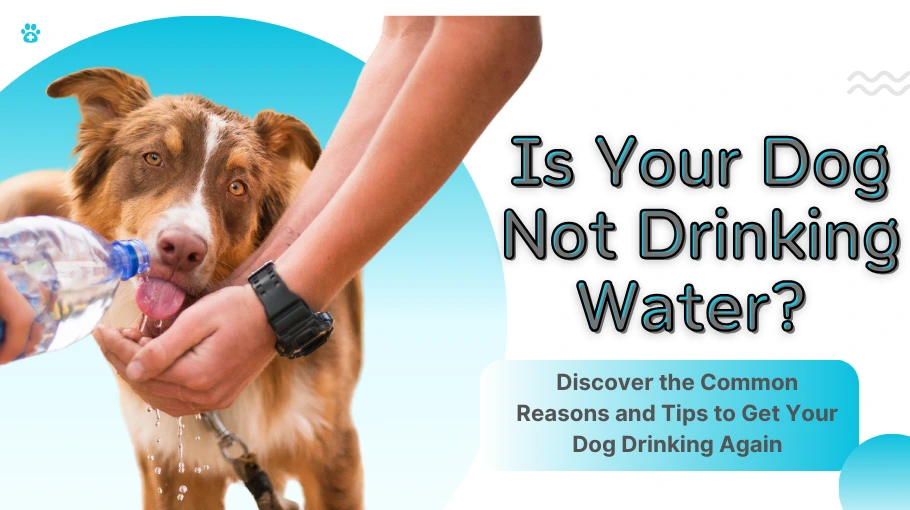
One morning, I realised I hadn’t topped up the dogs’ water bowl in days. When I went to refill it, I noticed something else — it looked like it hadn’t been touched at all.
That sent me down the usual rabbit hole. Why weren’t they drinking? We’ve got two dogs sharing the same bowl, so I started paying closer attention.
The issue turned out to be simple — and entirely my fault. I’d upsized the bowl so it would last for days. Convenient for me. Not so great for them. At the bottom of the stainless steel bowl, a faint patch of green algae had formed.
The dogs weren’t refusing water. They were avoiding stale water.
That experience sent me digging into dog hydration — how much dogs actually need, why they sometimes avoid their bowl, and when it’s something to worry about.
Here’s what to know about dog drinking habits
How Much Water Should a Dog Drink Daily?
A healthy dog typically needs around 40–60 ml of water per kilogram of body weight per day.
For context, my two Staffies weigh 24 kg and 26 kg, which puts them at roughly 2–2.5 litres between them on a normal day.
That number can look high if you’re judging it by the water bowl alone — especially if your dog drinks outside, eats wet food, or grabs water from puddles and the garden.
As a general guide:
- 40–60 ml per kg of body weight per day is the normal range
- More on hot days or after exercise and training
- Less if your dog eats wet food, which already contains moisture
Most Staffies are active, muscular, and often fed dry food, so they usually sit toward the higher end of that range.
How to Tell If Your Dog’s Dehydrated
Dogs can go several hours without drinking water, but when it stretches longer — especially alongside heat, exercise, or illness — the risk of dehydration increases.
Common signs of dehydration include:
- Dry or tacky gums
- Lethargy or unusually low energy
- Sunken eyes
- Panting more than usual without exertion
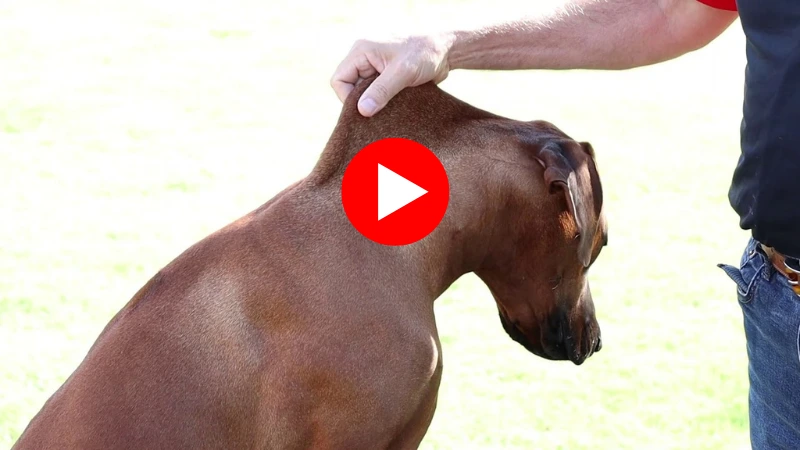
One simple way to assess hydration at home is the skin pinch test, which gives a rough guideline rather than a diagnosis:
- Gently pinch a small amount of loose skin between your dog’s shoulder blades
- Lift it slightly, then let go
- Watch how quickly it returns to place
- If it snaps back within a second or two, hydration is usually normal
- If it stays raised or moves back slowly, dehydration may be developing
If these signs appear and your dog is still avoiding water, a call to the vet is advised.
Here’s a short video demonstrating the checks used to assess dehydration in dogs.
5 Common Reasons a Dog Might Stop Drinking Water
Stale water was what made my dogs turn their noses up at the bowl — but it’s far from the only reason a dog might avoid drinking.
From fussiness and stress to discomfort or pain, there are several common causes worth considering. Sometimes it’s a simple fix. Other times, it’s a sign something else needs attention.
Here are five of the most common reasons they go off their water, and what you can do about it.
1. Fussy or Picky Drinkers
Some dogs are sensitive about what goes near their mouth and nose. A slight smell from the bowl, or water that doesn’t feel quite right, can be enough to put them off — even if they’re otherwise healthy.
Temperature plays a role too. In warmer weather, dogs often prefer cooler, fresher-smelling water, and a bowl that’s been sitting for hours can quickly lose its appeal.
For some dogs, it’s also about movement. Flowing water smells fresher and catches their attention, which is why puddles, streams, or even the shower tray can be more tempting than a still bowl.
If that sounds familiar, the PetSafe Drinkwell® Platinum is one of the better automatic water bowls for dogs that prefer moving water.
2. Dirty Bowls or Stale Water
Some dogs won’t touch water that smells or tastes even slightly off. Others will drink it anyway and end up with an upset stomach. Either way, stale water can quickly become a problem — especially outdoors or in warm weather.
Algae can begin forming in as little as 24 hours, particularly when bowls are left in direct sun. It often clings to the sides or bottom before the water looks dirty, which is enough to put fussy dogs off or make others feel unwell.
That’s exactly what happened with our bowl. I expected it in the makeshift plastic bowl in the garden — but finding the same green algae in the water bowl indoors caught me off guard.
A simple fix is to swap out water daily and give the bowl a proper scrub — not just a rinse. Stainless steel or ceramic bowls are easier to keep clean than plastic and less likely to harbour residue.
3. Bad Bowl Placement or Too Many Distractions
Where the water bowl sits matters more than most people realise — not because dogs are fussy, but because they experience their surroundings differently.
Noise, foot traffic, and sudden movement can be enough to put some dogs off drinking. A bowl placed near doorways, appliances, or busy walkways might feel fine to us, but distracting or uncomfortable to them.
Scent and texture matter too. Strong food smells, litter trays, or even the feel of cold tile versus soft flooring under their paws can influence whether a dog settles long enough to drink.
Sometimes it’s not about what’s in the bowl — it’s about whether the space around it feels calm, predictable, and safe.
4. Stress or Routine Changes
Dogs thrive on predictability, so even small changes can throw them off. A shift in routine, unfamiliar people in the house, or loud events like fireworks night can be enough to disrupt normal eating and drinking habits.
When dogs feel stressed, some will avoid their food and water bowls altogether. Others retreat to a crate or quiet corner and won’t re-emerge until things feel settled again. In one-off situations, it’s not unusual for them to skip water for several hours.
If anxiety is a recurring issue, addressing the stress itself matters more than coaxing a dog to drink. Activities that promote sniffing, licking, and chewing — such as de-stressing toys — can help anxious dogs settle enough to re-engage with food and water.
Sometimes, simple comfort goes a long way. A quiet space to decompress, or a frozen licki mat with something gentle like banana or yoghurt, can help calm anxious dogs while also adding a bit of extra moisture.
5. Pain or Dental Issues
If a dog suddenly avoids their water bowl, the issue isn’t always the water — it can be discomfort in the mouth.
Sore teeth, inflamed gums, or even a minor jaw injury can make drinking uncomfortable, particularly if the water is cold or the bowl is deep. Changes in angle, temperature, or effort can all trigger pain.
Dogs are also good at hiding discomfort. What looks like fussiness or stubbornness may actually be an attempt to avoid pain. Subtle behaviour changes — such as avoiding chews, flinching, or changes in posture — can be early warning signs.
If it’s not clear whether pain is involved, it helps to recognise the common signs a dog is in pain. And if drinking avoidance is sudden or persistent, a vet check is advised.
Simple Ways to Encourage Drinking (When Nothing Else Is Going On)
If your dog seems well but still isn’t drinking much, a small change is often enough. These aren’t fixes for illness — just gentle nudges that can help fussy or distracted dogs drink a little more.
- Refresh water regularly — cool, fresh water is more appealing than anything that’s been sitting.
- Adjust temperature — some dogs prefer cooler water; others avoid it if it’s too cold.
- Add moisture through food — wet food or water-soaked toppers can help without forcing the issue.
- Change access, not the bowl — extra bowls in quiet spots make drinking easier to happen naturally.
- Encourage after activity — post-walk routines help some dogs remember to drink. One of ours often settles down and starts licking his coat after a walk, and if that leads to a bout of backward sneezing, gently guiding him to the water bowl usually helps him reset and settle.
If none of this makes a difference — or your dog still seems unwell — it’s best to stop experimenting and speak to your vet.
Choosing the Right Water Bowl Can Help
These days, there’s a bowl for just about every need, including breed-specific options like long-eared dog bowls for Spaniels or flatter, wider bowls for brachycephalic breeds. Naturally, if it’s uncomfortable for the dog to drink from the bowl, it’s likely to avoid it until it needs it.
Here’s a quick summary of common water bowl types and when they tend to work best.
| Type | Key Features | Best For |
| Standard/Classic | Simple, versatile, many materials | Everyday home use |
| Elevated | Raised, ergonomic | Large, senior, or arthritic dogs |
| Slow Feeder/Puzzle | Internal ridges, slows drinking/eating | Fast drinkers/eaters |
| Spill-Resistant/Non-Tip | Weighted/wide base, non-slip | Messy or playful dogs |
| Travel/Collapsible | Portable, foldable, lightweight | Outdoor activities, travel |
| Automatic Dispenser | Continuous fresh water, gravity/electric | Busy owners, multi-pet homes |
| Material-Specific | Stainless steel, ceramic, plastic, silicone | Depends on durability, hygiene |
| Specialty (e.g., breed) | Unique shapes for ears, faces, etc. | Specific breed needs |
Final Thoughts
A dog not drinking water isn’t always a problem — but it is always worth paying attention to.
The reasons are often small, fixable things: the bowl, the weather, a picky phase, or a bit of stress. But when you’re tuned in to the little details — where the bowl sits, how fresh the water is, or how your dog’s behaving — you can catch issues early and act before they become bigger problems.
Sometimes, all it takes is a cleaner bowl. Or a quieter corner. Or switching from tap water to something tastier like bone broth.
And if you ever do suspect something’s off, trust your gut. Because no one knows your dog like you do.