
Short-Hair Dog Grooming: Brushing, Bathing & Nail Care
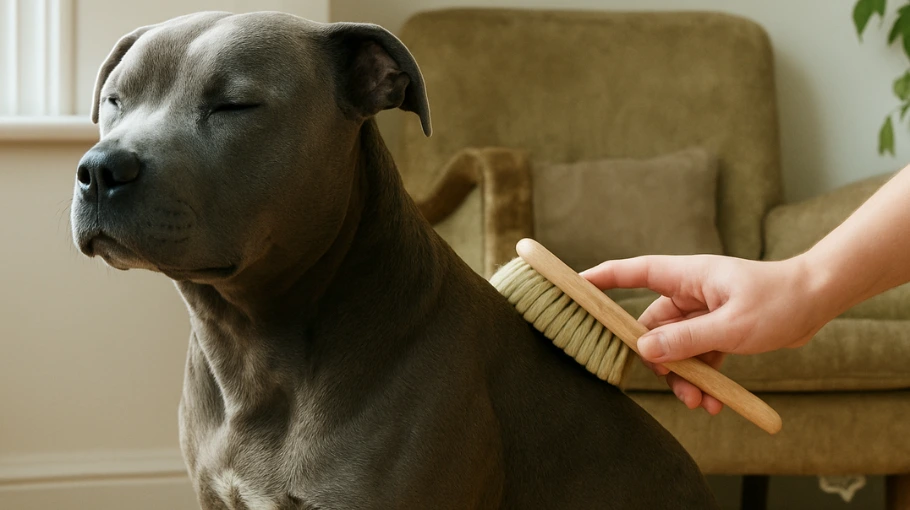
Short-haired dogs are often assumed to be low-maintenance. While they don’t require regular clipping, they still need regular upkeep to stay healthy and comfortable.
For most short-coated breeds, grooming involves three essentials: brushing to remove loose hair and distribute natural oils, occasional bathing to clear dirt and odour, and regular nail checks to prevent discomfort.
Clipping or trimming is rarely necessary unless the coat is wiry or hair begins to interfere with the eyes or paws.
Short-Hair Dog Grooming: All You Need to Know
What Grooming Covers for Short-Haired Breeds
Short coats require less upkeep than longer or double coats, but they still need routine care. Grooming supports skin condition, mobility, and early identification of issues that might otherwise go unnoticed.
Skin and coat
Short hair can still trap dirt and oil. Without regular brushing, this may lead to irritation, blocked follicles, or minor skin infections.
Nails and mobility
Some dogs wear their nails down naturally on hard surfaces, but many do not. Overgrown nails alter gait, place strain on joints, and in severe cases can curl into the paw pads.
Ears and eyes
Bathing should be done carefully to prevent water or shampoo entering the ears and eyes. Reducing moisture and residue helps avoid irritation.
Dental health
Plaque buildup can progress to gum disease and tooth loss. Regular checks, brushing, or appropriate dental chews help maintain oral health.
Parasites and hidden injuries
Routine handling makes it easier to spot fleas, ticks, lumps, scabs, or minor wounds before they develop into larger problems.
For short-haired breeds, grooming is straightforward. It focuses on maintenance and monitoring rather than trimming or styling.
Essential Dog Grooming Tools for Short-Haired Breeds
These dogs do not require an extensive grooming kit. A few well-chosen tools are enough to maintain coat condition and basic hygiene.
A Suitable Brush
Regular brushing removes loose hair, lifts dirt, and distributes natural oils across the coat. For most breeds with short coats, a soft bristle brush, grooming glove, or a rubber curry brush is sufficient.
Choosing the right type depends on coat density and skin sensitivity. A full comparison of the best dog grooming brushes for short hair explains which styles suit different short-coated breeds.
A Gentle Dog Shampoo
Bathing should be occasional, but when needed, a mild, pH-balanced dog shampoo is important. Human shampoos are too harsh for canine skin and can disrupt the natural barrier.
Conditioner is rarely essential for short coats unless dryness is a recurring issue.
Nail Clippers (If Required)
Many active dogs wear their nails down naturally. Others will require trimming. A basic set of clippers or a nail grinder is sufficient for routine maintenance.
If unsure about trimming technique, guidance from a vet or professional groomer can prevent injury.
How Often Should You Groom a Short-Haired Dog?
Short coats benefit from a simple, consistent routine rather than frequent intensive grooming.
Brushing frequency:
Most short-coated breeds only need brushing once per week, though this can increase during heavier shedding. Brushing frequency varies by coat type and season. Adjusting the routine slightly during peak shedding helps maintain skin comfort.
Bathing frequency:
Only when dirty, or roughly every 6–8 weeks. Over-bathing can dry the skin and strip natural oils.
Regular checks:
Inspect weekly. Trim nails as needed and use brushing time to check for debris, irritation, or small injuries.
Step-by-Step Brushing Technique
- Begin at the neck and work toward the tail, brushing in the direction of hair growth.
- Use steady, light pressure. Short coats do not require force, and excessive pressure can irritate the skin.
- Switch to a softer brush or grooming glove for thinner or more sensitive areas such as the belly and inner legs.
- Sessions should be brief. For most short coats, a few minutes is enough to remove loose hair.
- Avoid over-brushing. If the skin appears red or sensitive, reduce pressure or frequency.
Once loose hair and surface debris are managed through regular brushing, occasional bathing completes the routine. Knowing how to bathe correctly helps prevent skin dryness and irritation.
How to Bathe a Dog Properly
Washing is typically needed only when the coat is visibly dirty or has developed odour.
- Before starting, gather shampoo and towels so the process runs smoothly.
- Use lukewarm water and a gentle, pH-balanced dog shampoo. Wet the coat fully, apply shampoo along the back or into your hands first, and massage it through the coat. Avoid the eyes, ears, and nose.
- Rinse thoroughly. Residual shampoo can cause dryness or irritation.
- Towel dry before allowing the dog to shake off excess water.
Avoid over-bathing. For most dogs, every 6–8 weeks is sufficient unless they become particularly dirty.
For many dogs, brushing and occasional bathing are sufficient, with nail maintenance completing the routine.
How to Trim Dog’s Nails Safely
Nail trimming can be done at home, but it requires care. Cutting into the quick — the sensitive inner portion of the nail — causes pain and bleeding, so gradual trimming is important.
Use sharp, appropriate clippers or a nail grinder designed for dogs. Trim small amounts at a time and stop if you see a darker centre forming inside the nail. Light-coloured nails make the quick easier to see; darker nails require extra caution.
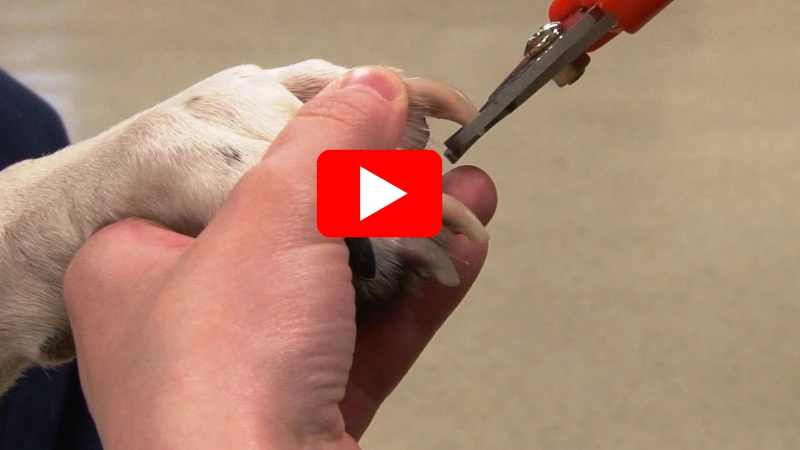
If you are unsure, observing a demonstration before attempting it can help build confidence. The video below shows safe handling and trimming techniques in a clinical setting.
For some dogs, especially those with dark or very thick nails, professional trimming may be the safer option.
To Recap
Maintenance typically involves weekly brushing, occasional bathing when dirty, and regular nail checks.
Brushing removes loose hair and supports skin condition. Bathing should be infrequent to avoid drying the coat. Nails should be monitored and trimmed when they begin to affect posture or comfort.
A consistent routine and appropriate tools are enough to keep the coat clean and the skin healthy.