
How Often Should You Brush Your Dog (By Coat Type)
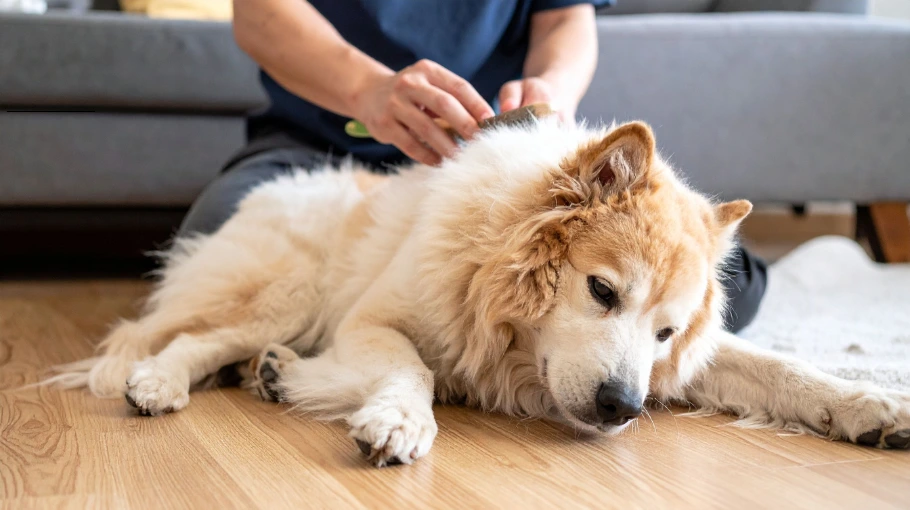
Some people worry they’re not brushing their dog enough. Others wonder if daily brushing might irritate the skin. There’s also confusion about brushing wet versus dry, and what actually happens if grooming is skipped altogether.
The answer depends largely on coat type. A short-haired single coat needs a different routine from a long or double coat. Understanding that difference helps prevent mats, control shedding, support healthy skin, and make brushing something your dog actually enjoys.
What to Know About Brushing Your Dog’s Coat
Brushing Frequency and Technique: Why They Matter
Brushing is not only about removing loose fur. It also affects the skin beneath the coat.
Too little brushing allows dead hair and debris to sit against the skin. Over time, loose hair can clump together, minor tangles can tighten into mats, and undercoat build-up can trap heat in double-coated breeds. Too much pressure — or the wrong tool — can lead to redness or sensitivity.
Short coats, long coats, and double coats all respond differently to brushing. Matching the frequency and technique to the coat keeps the skin comfortable and the coat easier to manage week to week.
Brushing Frequency by Coat Type
Different coat structures require different routines. Understanding whether your dog has a short single coat, a longer single coat, or a double coat will guide how often to brush and which tools to use.
Short Single Coats
Short single coats shed steadily but are less prone to matting.
How often to brush:
Once per week is usually enough to remove loose hair and maintain skin comfort. During heavier shedding periods, brushing twice weekly may help.
What to use:
A soft-bristle brush or rubber curry brush is typically suitable for short coats. If you’re comparing options, see the best dog grooming brushes for short hair. Dogs with sensitive skin or those anxious around brushes may benefit from grooming gloves or mitts instead.
What to avoid:
De-shedding tools designed for double coats and harsh wire brushes. These can irritate the skin or remove more hair than necessary.
Medium and Long Single Coats
Longer single coats trap loose hair more easily, which increases the risk of tangles and mats. Without regular brushing, loose hairs can twist together and form mats close to the skin.
How often to brush:
2–3 times per week is a practical starting point. Daily brushing may be helpful during heavier shedding periods or if the dog spends significant time outdoors.
What to use:
Slicker brushes, pin brushes, or wide-tooth combs designed for detangling. A dematting comb can help with stubborn knots.
Brush before bathing. Water tightens existing tangles, making them harder to remove once wet.
What to avoid:
De-shedding tools designed for double coats and harsh wire brushes that may scratch the skin.
Regular maintenance prevents minor tangles from developing into dense mats that pull at the skin and cause discomfort. If mats become tight or close to the skin, they are best handled by a professional groomer rather than cut out at home.
Double Coats
Double coats have a dense insulating undercoat beneath a layer of guard hairs. Shedding is heavier, and the loose undercoat can become trapped if not removed regularly.
How often to brush:
During shedding season, daily brushing is often needed to manage the undercoat as it loosens. Outside of seasonal sheds, 2–3 times per week is usually sufficient. Focus on reaching the undercoat rather than brushing only the surface layer.
What to use:
Undercoat rakes, slicker brushes, and de-shedding tools designed to reach beneath the top coat. A detangling spray may help if tangles have formed.
What to avoid:
Soft-bristle or rubber brushes that do not reach the undercoat. Harsh pressure with wire brushes can irritate the skin. Shaving should only be considered for medical reasons under veterinary guidance.
Consistent maintenance reduces heavy shedding, prevents deep matting, and helps regulate airflow through the coat.
When to Adjust Your Routine
Coat type sets the baseline, but real-life conditions may require small adjustments.
Dogs that spend more time outdoors often collect dirt, debris, and loose undercoat, which may increase the need for brushing. Seasonal changes can also affect shedding patterns.
Activity level plays a role. Highly active dogs may shed more consistently, while senior or less active dogs may shed less.
Rather than following a rigid schedule, observe your dog’s coat. If you notice increased shedding, trapped debris, or early tangles, brushing frequency may need to increase temporarily.
Can You Brush Your Dog Too Much?
Yes. Excessive brushing or using the wrong tool can cause irritation.
If your dog begins to shy away, flinch, or show signs of discomfort, it may be a signal to stop. Redness, sensitivity, or increased scratching after brushing can also indicate that the pressure or brush type is not suitable for their coat.
Brushing should leave the skin calm, not sore. Adjust the frequency, reduce pressure, or switch tools if irritation appears.
To Recap
Brushing frequency depends first on coat type. Short single coats often need weekly maintenance, while longer or double coats require more frequent attention — especially during seasonal shedding.
Use tools suited to the coat, apply steady but gentle pressure, and adjust the routine if you notice increased shedding, debris, or early signs of irritation.
There’s no fixed schedule that fits every dog. A consistent baseline, combined with observation, keeps the coat manageable and the skin comfortable.