
Dog Brushes and Shedding: Tools and Techniques that Matter
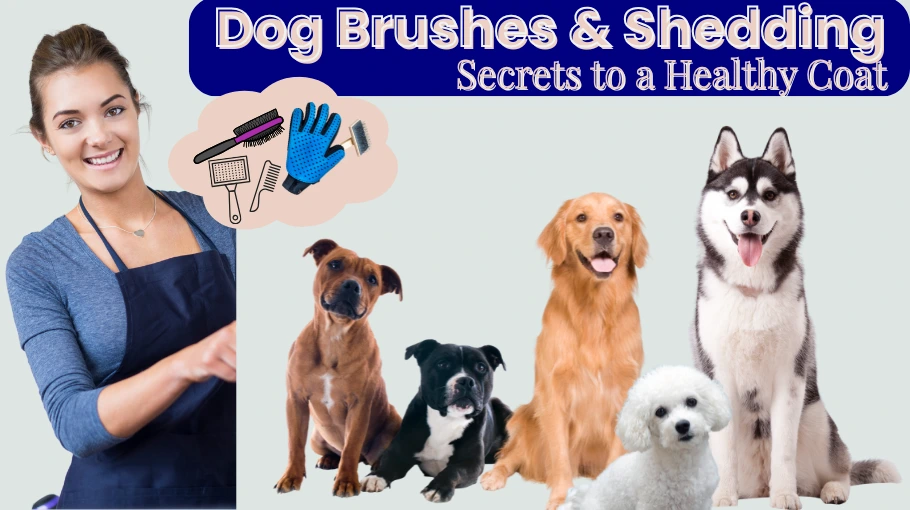
Managing shedding isn’t just about brushing loose hair away. Dog brushes are useful tools, but shedding itself is driven by what’s happening under the coat. Understanding that process makes it much easier to manage.
A dog’s coat exists for a reason. Hair provides insulation and protection, and shedding is part of how the coat renews itself rather than a sign that something is wrong.
Hair growth follows a natural cycle. It moves through stages of growth, transition, rest, and release as old hair makes way for new. There is also a natural resting phase that affects how actively dogs grow hair at different times of year.
Because this cycle is influenced by breed, environment, and season, shedding patterns vary widely. Some dogs shed steadily throughout the year, while others go through heavier seasonal changes.
Once you understand how shedding works, grooming choices make more sense. It also helps put practical questions into context, including how often to brush a dog?
Dog Shedding and Brushes: What to Know
Dog Shedding Seasons: What to Expect and When
Most dogs don’t shed evenly throughout the year. The biggest changes tend to happen twice annually, in spring and autumn, when the coat adjusts to shifts in temperature and daylight.
In spring, dogs shed their heavier winter coat as the weather warms. This is often the most noticeable shedding period, particularly for double-coated and thick-haired breeds, as loose undercoat is released.
Autumn brings another transition. As dogs prepare for colder weather, lighter summer hair is shed to make room for denser growth. While this shed can be less dramatic than spring, it’s still noticeable in many breeds.
Dogs that live indoors year-round often shed more consistently. With fewer natural temperature and light changes, their coats don’t follow the same sharp seasonal pattern, resulting in a lighter but ongoing level of shedding.
Knowing when these shifts tend to happen makes grooming easier to manage. It allows you to adjust brushing routines around natural shedding periods rather than reacting once hair starts building up.
Dog Shedding Problems: What’s Normal and What’s Excessive
Not all shedding is normal. While regular hair loss is part of a healthy coat cycle, some changes can point to an underlying issue.
If shedding looks excessive, uneven, or is accompanied by skin changes, it’s worth paying closer attention.
Patchy hair loss or thinning areas
Bald patches or noticeable thinning aren’t typical of normal shedding. A healthy coat should look even, even during seasonal changes. Patchiness can be a sign that something is irritating the skin or disrupting hair growth.
Persistent scratching or licking
Dogs scratch from time to time, but constant licking, chewing, or scratching can indicate discomfort. When a dog focuses repeatedly on the same area, it often points to irritation beneath the coat.
Nutritional deficiencies affecting coat health
A dog’s coat reflects what’s going on inside the body. If they’re not getting the good stuff from their diet they need, the coat can lose strength and condition over time.
This doesn’t usually cause sudden hair loss, but it can lead to increased shedding, dullness, or hair that breaks more easily. Coat changes linked to diet tend to happen gradually rather than overnight.
Contact allergies from grooming products
Some shedding issues are triggered by what’s applied directly to the coat. Unsuitable shampoos or grooming products can strip natural oils, leaving the skin dry and irritated. This can increase hair loss rather than reduce it.
Parasites such as fleas or mites
External parasites can cause intense itching and inflammation. As dogs scratch or bite at irritated areas, hair is often pulled out, leading to uneven shedding or visible skin damage.
Dog Brush Types and How They Help Manage Shedding
Different coat types shed in different ways. Understanding how shedding behaves makes it easier to see why certain brush types work better than others.
Short and smooth coats
Short-haired dogs tend to shed lightly but consistently throughout the year. Hair loss is usually subtle, but it adds up over time.
For this coat type, top picks for dog grooming brushes include soft bristle brushes, rubber curry brushes, and dog brush gloves. These tools help lift loose hair from the surface without irritating the skin.
Medium and long coats
Dogs with medium or long coats shed more visibly, and loose hair is more likely to tangle. Without regular brushing, mats can form, making shedding harder to manage.
Slicker brushes are well suited here, as they work through the coat rather than just skimming the surface. Pin brushes can also help maintain longer hair between more thorough grooming sessions.
Double coats
Double-coated dogs experience heavier shedding during seasonal coat changes. Large amounts of loose undercoat are released as the weather shifts.
During these periods, deshedding tools or rakes are used to reach hair that would otherwise stay trapped. These tools need to be used carefully, as overuse can irritate the skin.
Curly, wire, and mixed coats
Curly or wire coats tend to shed less visibly, but loose hair can tangle if grooming is inconsistent. These coat types often require more specialised care rather than frequent shedding control.
Mixed-coat dogs fall somewhere in between. Because shedding patterns vary, grooming routines usually need to be adjusted based on how the coat behaves rather than following a single rule.
Brushing Your Dog Comfortably and Safely
Brushing should feel routine and comfortable for your dog. Small adjustments to technique and tools can make a big difference to how well your dog tolerates grooming.
Using the right brush for your dog’s coat
Different brushes are designed for different coat types. Using a brush that doesn’t suit your dog’s coat can make brushing less effective and less comfortable. Matching the brush to the coat helps remove loose hair without unnecessary pulling or irritation.
Being mindful of pressure
Brushing doesn’t need force to be effective. Applying too much pressure can irritate the skin and damage the coat. A lighter touch allows the brush to do its job while keeping the experience calm and relaxed.
If your dog seems unsettled during brushing, adjusting pressure and slowing the pace can often help.
Avoiding over-brushing
More brushing isn’t always better. Brushing too frequently or for long periods, especially on sensitive areas, can lead to redness or soreness. A consistent, moderate routine is usually easier on the skin and coat.
Choosing products designed for dogs
Products made for humans aren’t suited to a dog’s skin or coat. Shampoos that strip natural oils can increase dryness and shedding rather than improve coat condition. Sticking to dog-specific products helps support skin health alongside regular brushing.
Helping your dog feel comfortable with brushing
Some dogs are unsure about brushing at first. Building familiarity gradually helps brushing feel like a normal part of their routine rather than something to avoid. Simple handling and positive experiences can make grooming easier over time.
If your dog struggles with brushing, these 9 dog brushing tips can help make the process calmer and more manageable.
When Shedding May Indicate a Health Issue
In some cases, shedding isn’t driven by coat type, season, or grooming routine. Ongoing or unexplained hair loss can sometimes be linked to underlying skin or health issues.
These may include conditions that affect the skin directly, reactions to allergens or parasites, or broader health problems that show up through changes in the coat.
Because these situations vary widely and aren’t always easy to identify from appearance alone, they’re best assessed by a veterinarian.
If shedding seems excessive, patchy, or is accompanied by persistent skin irritation, it’s important to seek professional advice. For an overview of common skin-related causes of hair loss in dogs, you can refer to WebMD’s Skin Conditions in Dogs for further information.
To recap
Shedding is part of a healthy coat, but it isn’t random. How much a dog sheds depends on coat type, season, and how grooming fits into their routine.
Understanding how shedding works makes brushing more effective. When the brush suits the coat and technique stays gentle, grooming becomes easier to manage and more comfortable for your dog.
If shedding ever seems excessive or out of character, it’s worth stepping back and reassessing what’s driving it rather than reaching for stronger tools. Knowing when brushing helps — and when something else may be going on — is what keeps coat care practical and stress-free.