
Best Dog Grooming Brushes for Short Hair Breeds
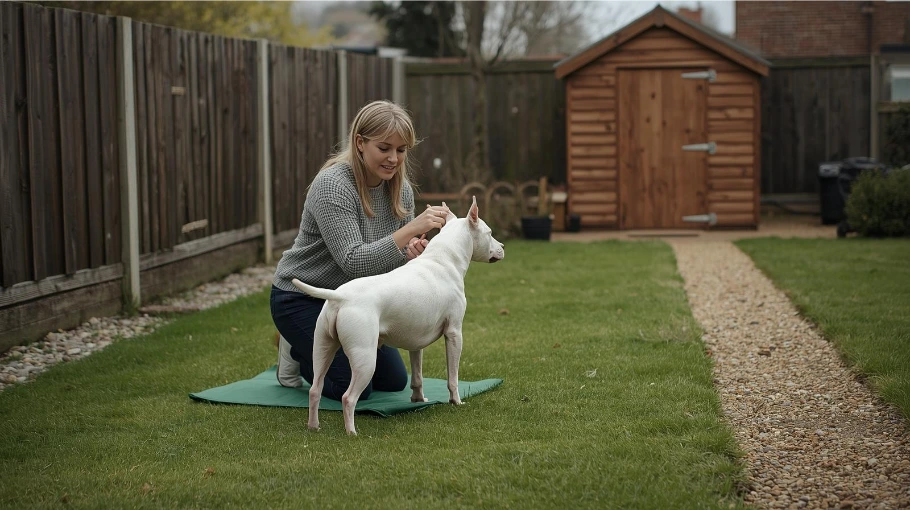
Before I learned about the different types of dog brushes, I assumed they all did roughly the same thing — just shaped or priced differently. Turns out, they don’t. The slicker brush I was using early on isn’t actually the best choice for Staffies (my thin-coated one wasn’t long in letting me know).
Short-haired breeds do best with soft bristle brushes or rubber curry brushes that gently remove loose hair and spread natural oils through the coat. They keep the skin healthy, the coat shiny, and make grooming feel more like fussing than work.
3 of the Best Dog Grooming Brushes for Short-Haired Breeds
Best Soft Bristle Dog Brush
Chris Christensen Boar Dog Brush

- ✅ Distributes natural oils evenly for a noticeably healthier, shinier coat
- ✅ Gentle boar bristles that dogs enjoy — soft yet effective on short coats
- ✅ Lightweight beechwood handle with a comfortable, ergonomic grip
🟢 Best for:
Short-haired dogs with sensitive skin who need a gentle, non-irritating brush. Especially well suited to smooth, single-coat breeds.
⭐ Why it’s the best:
Natural boar bristles offer softness without dragging or scratching. They lift loose hair while keeping the coat smooth and shiny, making them ideal for sensitive skin on short coats. It’s also a brand professional groomers rate highly for coat-specific tools.
📌 The cliff notes:
- Natural bristles are ideal for sensitive skin
- Gentle but still effective on short coats
- Made by a specialist grooming brand with brushes for different coat types
- Mixed boar/nylon version available for thicker short coats
⚠️ Cons:
- Premium product, built with professionals in mind — not every owner will need that level
- Some users mention bristles coming loose over time; light, gentle strokes help extend lifespan
- Wooden handle can be damaged if left where dogs can reach it
💬 My Take:
Chris Christensen brushes are well-regarded by professional groomers and hold up to regular use. If you have a short-haired dog with sensitive skin and want a reliable tool that does the job without causing irritation, this is a solid choice.
If it’s not on offer, check out the 2-in-1 Grooming Brush for Dogs. Being 2-in-1 means you’ve got soft bristles on one side and pins on the other — stick with the bristle side and you’ll be fine.
Best Rubber Curry Brush
The KONG Zoom Groom

- ✅ Soft rubber design that’s gentle on skin — no risk of scratching like slicker brushes
- ✅ Made from high-quality KONG rubber, long-lasting and durable even with regular use
- ✅ Perfect for lathering shampoo and giving a deep, relaxing scrub at bath time
🟢 Best for:
Bath time scrubs, loosening dead hair, and dogs that prefer soft rubber over traditional bristles.
⭐ Why it’s the best:
The soft rubber “fingers” lift loose hair without needing pressure. It also doubles as a massager, which suits dogs that enjoy gentle contact but dislike firmer brushes. KONG rubber is known for its durability and flexibility, and it tends to hold up better than cheaper curry brushes made from harder, more plasticky materials.
📌 The cliff notes:
- Gentle rubber design that won’t scratch
- Effective at lifting dead skin and debris
- Helps stimulate natural oils for a healthier-looking coat
- Great in the bath for working shampoo through the coat
- Handy for quick freshen-ups between baths
⚠️ Cons:
- Some dogs assume anything rubber means “toy”
- Builds static and needs cleaning out more often than a bristle brush
- Short sessions won’t remove as much loose hair as a soft-bristle brush
💬 My Take:
It’s my go-to during bath time. It gets right into the coat without feeling harsh, and the massage effect helps dogs relax. Just keep it out of reach afterwards or it may be chewed.
Best Dog Grooming Gloves
USION Pet Grooming Gloves (2-Pack)

- ✅ Mimics gentle petting, turning grooming into a calming session
- ✅ Soft silicone tips lift loose fur and massage the skin — even on the face and legs
- ✅ Easy-clean glove design with breathable mesh that stays comfortable to wear
🟢 Best for:
Dogs who dislike brushes; quick clean-ups after muddy walks; dogs that tolerate petting better than traditional grooming tools.
⭐ Why it’s the best:
The 259 silicone tips lift loose fur while feeling more like fussing than brushing. Great for anxious or brush-shy dogs. They’re also brilliant when washing mud off after a walk, especially if you’re using a hose outside.
📌 The cliff notes:
- Pair includes left and right gloves
- Silicone tips remove loose hair and massage the skin
- Velcro cuffs for a snug fit
- BPA-free and gentle on sensitive skin
- Ideal for dogs who resist traditional brushes
⚠️ Cons:
- Stitching can fray when the gloves are used wet
- Hair builds up quickly and needs unclogged often
- Easier to use one glove while the other hand does the clearing
💬 My Take:
Great for dogs who get twitchy around normal brushes. They’re also a saviour after muddy runs; one glove on, hose in the other hand, job done.
How to Choose the Right Brush for Your Dog
Choosing the right brush isn’t just about the tool itself. Your dog’s coat, skin, behaviour, and when you groom all affect what works best — far more than memorising different dog brushes and shedding tools.
When your dog’s short coat feels thicker or denser than expected
Our two dogs are the same breed (Staffies), but their coats couldn’t be more different. One has a thin, sleek coat; the other is much denser and sheds far more. The thicker-coated one tolerates a slicker brush, but the thinner-coated dog doesn’t at all.
Even though both are short-haired, a soft bristle brush works well for each of them. It’s gentle enough for the thinner coat while still lifting loose hair effectively from the denser one, without irritating the skin.
When your dog has sensitive skin or reacts badly to brushes
Dogs with dry or sensitive skin often struggle with firmer brushes. If brushing causes redness, scratching, or avoidance, the tool itself is usually the issue — not the dog’s coat or skin.
Soft natural bristles, such as boar bristle, are ideal here, though dog brush gloves were what helped my anxious, thin-haired dog relax during grooming. Both are gentle enough to dislodge loose hair and spread natural oils through the coat without scraping or aggravating sensitive skin.
When shedding suddenly ramps up or feels constant
Dogs shed all year, but shedding often looks worse when the seasons change. Winter shedding is a common example — dogs spend more time indoors, loose hair builds up on bedding, and dry air and static make hair cling instead of falling away.
In many cases, brushing isn’t causing more shedding; it’s simply revealing hair that would otherwise end up around the house. If shedding feels heavier than usual, it’s often environmental rather than a sign that you’re using the wrong brush.
When brushing feels stressful instead of calm
It’s common for dogs to treat new grooming tools like toys at first. One of ours mouthed and played with a rubber curry brush, likely because the texture felt similar to his chew toys.
What helped was lowering his overall energy before grooming — short training sessions using basic commands like sit, stay, and wait, followed by calm brushing. Once his mental energy was spent, grooming became far more relaxed and cooperative.
When where you groom matters as much as how
Some brushes catch loose hair, while others simply knock it free. Where you groom your dog can make a big difference to which tool works best.
If you’re brushing while washing, you’ll want a tool that catches hair so it can be binned, rather than washing it down the drain and risking blockages. Grooming gloves and rubber curry brushes are especially good for this.
Outdoors, a soft bristle brush can be quicker and easier. It lets loose hair fall away naturally without needing to be pulled out of the brush between strokes.
If you prefer seeing grooming techniques in action, the video below from Will Atherton does a solid job of walking through how to groom a Staffordshire Bull Terrier.
If you want to skip straight to brushing, start at around 47 seconds — that section runs until about 2 minutes and 10 seconds. The rest of the video covers bathing, ear care, and eye care, which are worth watching for a fuller routine.
Once you’ve got the basics down, it’s worth digging a little deeper into overall coat care. This short-hair dog grooming guide breaks the whole process down step by step.
Conclusion
Short-haired breeds are low-fuss, but the right brush still makes a noticeable difference. Whether that’s soft bristles for everyday upkeep, a rubber curry brush for washing and heavier shedding periods, or gloves for dogs that dislike traditional brushes, the best choice is the one your dog actually tolerates and relaxes with.
Staffies in particular can be sensitive around grooming tools, so starting gentle and keeping sessions short tends to work best. When brushing fits naturally into your routine, it becomes quicker, calmer, and far easier to keep on top of loose hair — without turning grooming into a chore.
- Best Soft Bristle Brush: The Chris Christensen Boar Dog Brush
- Best Rubber Curry Brush: The KONG Zoom Groom
- Best for Anxious Dogs: USION Grooming Gloves
FAQs about brushes for short-haired dogs
Why is regular brushing still important?
Even short coats trap loose hair, dust, and dead skin. Brushing helps manage shedding around the home and keeps the coat looking clean and healthy.
Why does my dog shed so much despite having short hair?
Short hair doesn’t mean low shedding. Staffies and similar breeds shed fine hairs year-round. Brushing helps lift those loose hairs before they end up on furniture.
What grooming tools do I actually need?
A suitable brush, a gentle dog shampoo, and—depending on how active your dog is—nail clippers. Regular walks on pavements often keep nails naturally worn down. If you don’t use dental chews, a finger toothbrush and dog-safe toothpaste can also help.
How do I use a grooming glove properly?
Use one glove at a time—usually on your dominant hand—and brush from neck to tail in the direction the coat grows. Clear collected hair regularly so the glove doesn’t clog.
Should I use a de-shedding tool?
No. De-shedding tools are designed for double-coated breeds. On single-coat dogs, they can scratch the skin and cause discomfort.
How often should I brush?
Two to three times a week is plenty for most dogs. During heavier shedding periods, brushing every other day can help keep loose hair under control.
What’s the difference between a bristle brush and a slicker brush?
Bristle brushes are gentle and well-suited to short, smooth coats. Slicker brushes use metal pins and are designed for longer or wiry coats, making them too harsh for most short-haired breeds.