
What To Expect From Dog Socialisation Classes
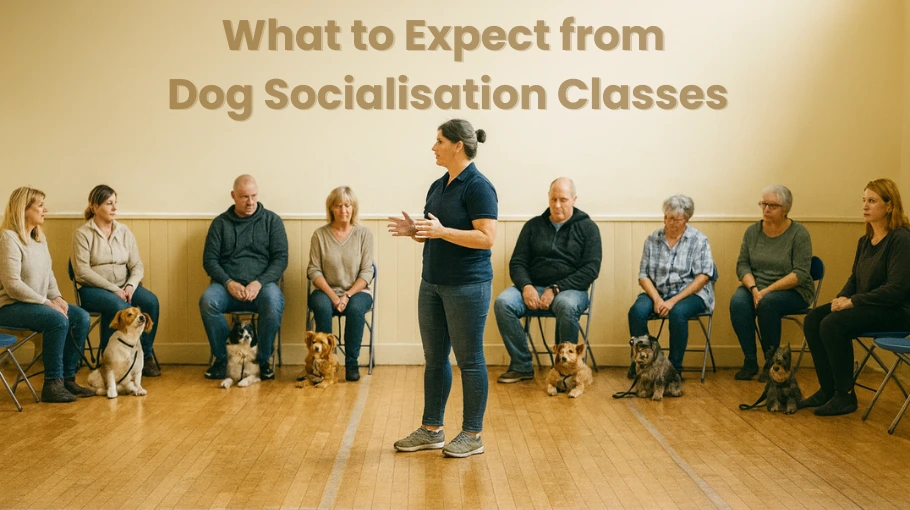
The breeder of our pups introduced us to a local dog socialisation class. She kept the sister, and we had the two brothers. We attended weekly classes for about two years, and they made training much easier — and probably more successful, much sooner, than it would’ve been without them.
The goal of dog socialisation classes is simple: to help dogs learn how to behave calmly around people and other animals, while teaching owners how to manage their dog’s behaviour in real-world situations.
At a Glance
The real value of dog socialisation for all ages and breeds
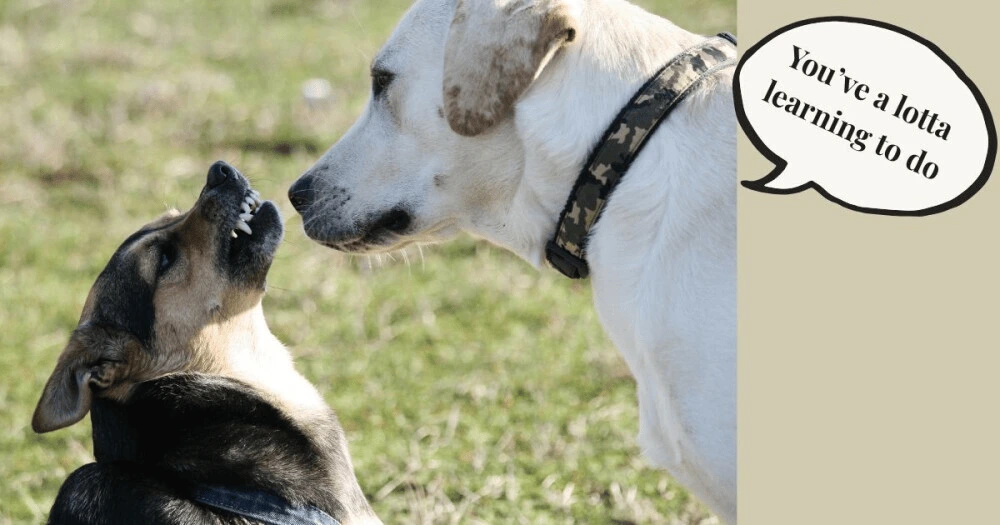
Socialisation is essential for all dogs, whether puppies or adults. Early socialisation, after vaccinations, shapes behaviour, but it’s never too late for older dogs to improve. With patience, even poorly socialised dogs can learn to stay calm in new situations.
Socialisation reduces anxiety, prevents reactive behaviours like barking or lunging, and helps dogs focus and obey in distracting environments. It also provides an outlet for excess energy, reducing stress-related behaviours like barking, chewing, or pacing.
For older dogs, socialisation reduces anxiety and aggression, making them more confident in new situations. Overall, it strengthens the bond between dog and owner, improving communication and helping dogs navigate the world with better manners and less stress.
The problems that can stem from a lack of socialisation

Dogs that aren’t properly socialised often struggle in everyday situations. They may be fearful of new people, anxious in busy places, or overly reactive around other dogs. Some develop habits like barking at visitors, pulling on the lead, or showing aggression due to stress.
While training can help, it’s easier to prevent these issues by starting socialisation early.
If your dog barks at visitors, lunges at other dogs, or acts anxious in new situations, socialisation classes can address these problems by teaching your dog how to behave calmly in real-world scenarios.
How socialisation classes help

These classes address the issues dogs face when they lack exposure to new environments and experiences. In class, dogs learn to stay calm and confident around new people, animals, and distractions. This helps prevent anxiety, fear, and reactivity.
Learning can be tiring for dogs, especially high-energy breeds like Staffies. After just a few weeks, they often go from being hyperactive to lying down or sitting calmly until it’s their turn for attention.
Classes also reinforce obedience and focus, teaching dogs to listen to their owners even amid distractions.
Group classes vs. solo training

Many owners start training at home using books or online videos, which work well for teaching basic commands. As training progresses, instructions are stacked to build up to the essential cues every dog should master.
However, real-world distractions—like other dogs, people, and unexpected noises—are difficult to replicate at home. Group classes provide that stimulation in a controlled environment, helping dogs develop impulse control and focus around others.
Even in a group setting, each dog receives individual attention. Training usually begins on-lead, and as dogs demonstrate calmness and reliability, short off-lead sessions may begin—one dog at a time—to prevent chaos and allow trainers to tailor feedback.
Since classes often run for about an hour, dogs typically get around ten minutes of one-to-one time with the trainer. The rest of the session is spent leashed beside their owner, observing and learning from others. This is where calm-settle practice becomes valuable—teaching your dog to use a settle mat helps them relax between turns and reinforces the short, focused training sessions recommended for dogs.
Over time, dogs learn to stay calm around familiar faces and adapt to meeting new ones. Even brief, regular classes can build patience, confidence, and good social manners that carry into everyday life.
Class size and availability
Most classes accommodate up to eight dogs per trainer, though class sizes may vary. Walk-in classes often have a lead trainer with assistants to help manage larger groups. Classes with one trainer typically require booking to avoid overcrowding, as too many dogs can reduce personal training time.
Finding a class may require some effort, as they’re not always local. Some people drive miles to attend, and trainers often rely on word of mouth. Local community groups or recommendations from dog owners in popular walking areas can help you find nearby classes.
What to bring to dog socialisation classes

- High-value treats: Chicken is a popular choice. We used chicken breasts cooked and cut into bite-sized chunks (more budget-friendly and enticing than packaged treats).
- Poo bags: Accidents happen. Arrive early to give your dog time to relieve itself before class.
- Cash: Many community classes don’t accept cards.
- Water: Most classes provide bowls, but check ahead.
- Comfortable clothing and shoes: You’ll be standing and moving around during activities.
For strong pullers, it’s best to avoid extendable leads, as they can encourage lunging and make control harder in a busy class. A slip lead can work, but ideally you should train with the same lead you’ll use on daily walks. We found the EzyDog Vario 6 Adjustable Dog Lead paired with the EzyDog Convert Harness to be a reliable combination for training and everyday use — both sturdy and adaptable enough for dogs that pull.
Booking and communicating with your dog socialisation trainer
Some classes allow walk-ins, while others require booking. If your dog is aggressive or highly reactive, let the trainer know beforehand. They may suggest solo training before joining a group class.
Practising socialisation outside of class
Socialisation doesn’t end when class is over. Keep exposing your dog to different people and Socialisation doesn’t end when class is over. Keep exposing your dog to different people and environments — it’s how they learn that new experiences aren’t threats. Include trusted visitors, neighbours, or familiar delivery workers as part of your dog’s routine interactions to help them stay calm in everyday situations.
For example, one of our dogs used to bark at an engineer working near the fence until he saw I was aware, spoke with the chap, and carried on calmly. That small interaction helped him realise there was no need to react.
Over time, I began using those quick, everyday encounters — like chats with couriers or neighbours on the other side of the fence or gate — as short training moments. I’d cue commands such as “sit,” “wait,” or “down” around familiar faces like the neighbours, local postie, and regular couriers.
Those short interactions showed others which commands the dogs responded to — ones they could confidently use if they ever needed to. On the rare occasions a courier arrived while the dogs had access to both gardens, that familiarity really paid off — the dogs responded to those same cues, even from someone else.
That said, always use common sense and don’t assume everyone is comfortable around dogs. The Royal Mail even reminds customers:
“If we are delivering to your home address and you have a dog, help us deliver safely by keeping it secure and out of the way before your postie arrives.”
(You can read their full guidance here: Royal Mail Dog Awareness)
So while socialising your dog with delivery workers and visitors can be beneficial, it should always be done with permission and under supervision. Familiar faces can make great training opportunities, but never assume it’s okay for someone to approach your dog unless you’re there and confident they’re comfortable with dogs.
Involving Friends and Family in Training
Having a few trusted people who know your dogs well is also invaluable. If you’re away for a full day or a weekend, friends or family can step in to feed them, let them out, or take them for walks — but that only works smoothly if they already know how to handle the dogs.
Many trainers recommend involving others in the training process early on. It shouldn’t reach a stage where you need to teach visitors not to be jumped on — regular faces learn simply by observing the commands and cues you use. In our case, the people who occasionally care for our dogs know the specific words and tones that instantly get their attention, along with the high-value treat that signals “focus time.”
That kind of consistency means that even when excitement levels are high, those backup carers can calmly take control. In essence, rather than needing to correct habits later, you’re teaching both the dogs and the people they interact with how to communicate clearly from the start.
Alternatives if no classes are available
- Dog walkers: Some organise small playgroups. While not professional trainers, they often have experience with dogs of different personalities.
- Pet-friendly stores: Independent pet stores and some chains like Pets at Home allow dogs inside, providing a good challenge for training.
- Popular walking routes: Meeting other dogs on-lead helps with socialisation. Always ask permission before letting your dog approach another dog.
Questions to ask before attending
- What’s the class size?
- Is booking required?
- Are aggressive or highly reactive dogs allowed?
- Does the class include off-lead training?
- What equipment or treats should I bring?
Final Thoughts

Dog socialisation classes are invaluable for fostering a calm, confident, and well-behaved dog. Whether your dog is a puppy or an adult, attending regular dog socialisation classes prepares them for the challenges of the world they’ll explore on walks with you.
The communication between dogs and owners makes walks enjoyable, instead of struggling with a dog pulling on the lead or, worse, chasing after a dog with poor recall.
We started with two bouncy brothers and a lot to learn — and those early dog socialisation classes shaped the calm, confident companions they became.
FAQs
What if my dog struggles in class?
There’s no pass or fail. If a dog becomes too stressed or reactive, trainers may suggest stepping outside to let them calm down before rejoining the class. The goal is gradual improvement, not perfection.
What happens in class?
Classes focus on basic commands, recall, and controlled socialisation. At the end of each session, dogs meet on-lead to practice polite interactions. Keeping dogs leashed helps prevent rough play and minimises reactivity risks.
How long does progress take?
Progress takes time. Even with weekly classes, dogs need daily training to reinforce good behaviour. Consistency is essential. Some behaviours take longer to correct, especially if a dog had little socialisation before.
Factors like hormones can also affect reactivity. For example, one highly reactive dog in our class calmed down significantly after neutering. Trainers can offer guidance on specific behavioural issues, helping owners adjust their approach.