
Should You Leave Water Out for Your Dog All Day (and Night)?
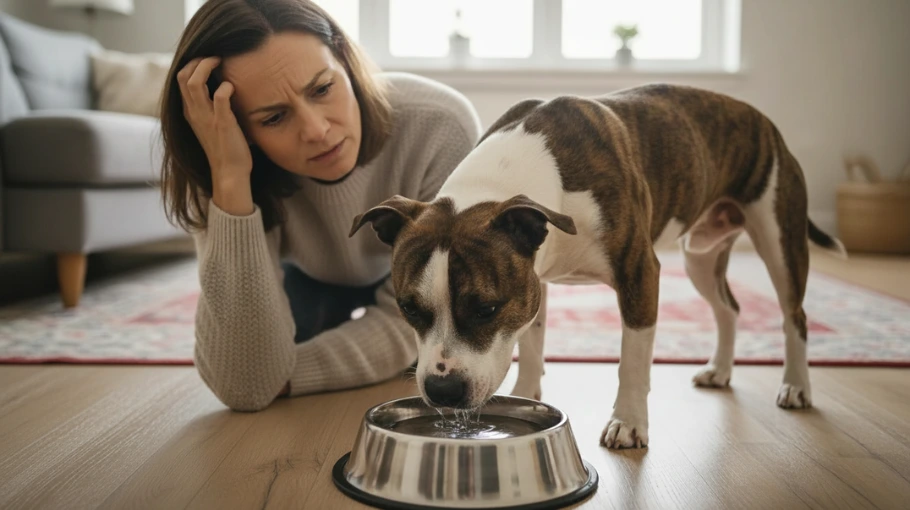
Our two dogs share a big stainless-steel water bowl. When I noticed green patches starting to form — and both dogs had the runs — I suspected the stagnant water was to blame. That’s what pushed me to dig into the question: should you leave water out for your dog all day?
It turns out plenty of dog owners wonder the same thing, just for different reasons. Some worry their dog might overdrink, while others are in the thick of puppy toilet training and aren’t sure if constant access is making things harder.
And like most dog-care questions, the answer isn’t a simple yes or no — it depends on your dog’s age, routine, health, and even where the bowl is kept. There are times when leaving water out makes perfect sense, and other times when a bit of structure is the better option.
Take a deep dive into the world of dog hydration:
Should Dogs Have Access to Water All Day?
For most adult dogs, yes — having fresh water available throughout the day is essential. Proper hydration supports digestion, joint lubrication, temperature regulation and kidney function, and restricting it without a medical reason can do more harm than good.
Most vet sources recommend around 50–60 ml of water per kg of body weight per day. For a 20 kg Staffy, that works out at roughly 1 to 1.2 litres daily — more in warm weather, after exercise or if they’re on dry food.
So, should you always leave the bowl out?
In most cases, yes — but with a few caveats:
A clean dog water bowl is more important than just having water available. If the bowl isn’t clean, many dogs will avoid drinking from it.
Make sure the bowl is clean and the water is changed at least once a day (more often in summer).
Keep it out of direct sunlight, as warm water stagnates faster and encourages algae growth. I learned that the hard way one summer when I used a large plastic planter as an outdoor water container — it was green by the next day.
Avoid lightweight plastic bowls that tip easily or hold odours — a stable ceramic or stainless-steel bowl is better for round-the-clock access.
Monitoring Water Intake in Dogs With Medical Conditions
Dogs with certain medical conditions — such as kidney disease, heart issues or endocrine problems — may need their water intake monitored more closely.
Both VCA Animal Hospitals and Tufts Foster Hospital for Small Animals emphasise that any changes to how much a dog drinks should only be made under veterinary guidance, as your vet is the one who understands your dog’s specific health needs and long-term risks.
From experience, when our senior Staffy was on medication in his later years, our vet always asked the same first questions at each check-up: Is he eating and drinking normally? Has anything changed?
When he began drinking more and occasionally struggling to make it outside in time, they explained it was partly down to age and partly the medication he was on. That was the point where we learned how closely vets link hydration habits with overall health.
Key Point:
If your dog has a medical condition, always speak to your vet about how much water they should be drinking, and follow their advice for monitoring and managing their intake.
When Not to Leave Water Out: Puppies, House Training & Bedtime
While most adult dogs benefit from free access to water, there are a few situations where you might need to limit when or where water is available — but only temporarily and for practical reasons.
Puppies in House Training
This is where the water bowl becomes part of your training strategy. Leaving water out for a puppy all day and night can make it harder to predict their toilet needs — especially overnight.
Here’s what I’ve read some trainers recommend:
- Leave water out during the day, but pick it up 2–3 hours before bedtime to help reduce accidents.
- Once your puppy has mastered toilet training, you can gradually give them more freedom with water access again.
- Use water breaks as structured opportunities, especially after meals, naps, or playtime — times when they’re likely to need the loo soon after.
Quick Tip:
If you’re removing the water bowl for practical reasons — like stopping spills in the crate or managing night-time accidents — make sure it doesn’t feel like a punishment. Dogs can sometimes associate the absence of water (or toys, or anything familiar) with something they’ve “done wrong,” even when that’s not the case.
Sticking to a consistent routine helps with this. Offer water before and after crate time, and make sure they’re drinking enough during the day — especially in warm weather or after active play.
And if spills are the issue, a clip-on crate bowl can help keep water secure overnight without leaving your puppy thirsty.
At Night: Should You Leave Water Out?
There’s no one-size-fits-all rule here. Night-time access depends on your dog’s:
- Age
- Bladder control
- Health
- And their sleeping arrangement (crate vs open house)
Here’s a simple guide:
- Puppies → Pick up the water before bed to help predict toilet trips.
- Healthy adult dogs → It’s usually fine to leave water out unless it’s disrupting sleep.
- Senior dogs or those with incontinence → You may want to limit access later in the evening, but check with your vet first if there’s a medical issue involved.
- Crated dogs overnight → Some owners avoid leaving bowls in the crate to prevent spills. If that’s the case, make sure your dog gets a drink before and right after crating.
If your dog wakes up during the night looking for water, consider whether the room is too warm, their food is high in salt, or the bowl hasn’t been topped up during the day.
You might also want to check out this post on why your dog avoids their crate water bowl — it might reveal more than you expect.
Can You Limit a Dog’s Water Intake Safely?
This is one of those questions that needs careful handling. Yes, there are situations where limiting a dog’s water makes sense — but it has to be done for the right reasons and always with clear guidance from your vet.
Situations Where Limiting Water Might Be Recommended
- Medical conditions such as kidney disease, heart issues, or Addison’s disease
- Before or after surgery, as advised by a vet
- Certain medications where fluid intake affects timing or absorption
In these cases, your vet will give you a specific hydration plan to follow. Never reduce water access unless a medical professional has recommended it.
Key Point:
If your dog is drinking more water than usual, it may be a sign of polydipsia (excessive thirst), often paired with polyuria (increased urination). Together, this is known as PU/PD, and it can indicate an underlying health issue that needs veterinary attention.
For more information on excessive drinking and what it can mean, these resources are helpful:
- Polydipsia in Dogs and Cats (increased drinking) Fact Sheet — Davies Veterinary Specialists
- Why Is My Dog Drinking a Lot of Water? — PetMD
- Polyuria-Polydipsia (PUPD) In Pets — Vet Collection
These explain the common causes, the conditions associated with PU/PD, and why monitoring changes in drinking habits is so important.
When It’s Not Safe to Withhold Water
Outside of short-term training routines (like picking up the bowl before bedtime for puppies), restricting water for too long can become unsafe. A dog not drinking water can become dehydrated surprisingly quickly, especially in situations such as:
- Warm or poorly ventilated environments
- After physical activity
- When eating only dry kibble
Even crate-trained dogs need access to water at regular intervals. If they’ll be confined for more than a couple of hours, make sure they’ve had a drink beforehand — or use a secure bowl or crate bottle to keep water available without spills.
Still unsure what’s safe? A simple rule of thumb is this: if your dog will be without water for more than 3–4 hours, especially in warm weather, they should either have access or be offered water before and after that period.
If your dog tends to drink a full bowl in one go, it isn’t always a red flag — they may just be catching up after a long stretch without water. But if it happens regularly, it might be worth checking whether their routine is unintentionally limiting access.
How Often Should You Fill the Water Bowl?
You’d be surprised how many dog owners think one fill-up a day is enough — but that’s rarely the case. Dogs don’t just need access to water; they need it to be fresh, clean and appealing enough to actually drink.
So, how often should you top it up?
At least once or twice a day, even if the bowl isn’t empty. In some situations, you’ll want to refresh it more often — for example:
- When it’s hot
- If your dog drools into the bowl (Staffies are notorious for this)
- If they eat mainly dry food
- When debris lands in the bowl — dust, crumbs, bits of grass
- If you’re using a plastic bowl, which develops biofilm faster
Many dogs turn their noses up at stale water. If your dog seems reluctant to drink, the problem might not be how much water they have — but how fresh or cool it is.
Why Cleanliness Matters
A clean bowl is just as important as a full one. Dirty water bowls can harbour bacteria like Salmonella, E. coli and MRSA, and a slimy biofilm builds up quickly if the bowl isn’t washed properly.
If you want practical tips on keeping bowls cleaner for longer, take a look at why a clean dog water bowl matters more than you think.
Tip: Time Your Refills With Their Routine
Try syncing water checks with natural pauses in the day — first thing in the morning, after walks and before bed. Not only does this keep the water fresh, it also helps you spot changes in how much your dog is drinking, which can be an early indicator of health issues.
Choosing the Right Bowl to Keep Water Clean and Safe
You can be doing everything else right — keeping the water fresh, topping it up regularly and sticking to a steady routine — but if the bowl itself isn’t ideal, some dogs will still avoid drinking from it.
Here’s what actually matters when choosing a bowl that helps your dog stay hydrated.
Best Materials for Everyday Use
Stainless steel: Hygienic, easy to clean and doesn’t hold odours. It’s the top choice for most dog professionals — including in dog socialisation classes, where stainless bowls are often used as communal bowls — and it’s the least likely material to develop bacteria or biofilm.
Ceramic (lead-free, glazed): Heavier and more stable than plastic, and unlikely to tip. Just make sure it’s labelled food-safe.
Plastic: Cheap but usually the worst long-term. Plastic scratches easily, which gives bacteria and biofilm places to cling. It’s also a common culprit when dogs develop chin acne; switching to stainless steel or ceramic is often part of the solution — something highlighted in this USPCA article on the dangers of certain pet bowls.
If you’re curious about how quickly standing water can go bad, this post discussing the green algae in water bowls issue covers just how fast stagnant water becomes a breeding ground — especially in summer.
Bowl Shape & Features Matter Too
- Clip-on crate bowls or no-spill designs are ideal for travel or night-time crate setups.
- Elevated bowls can help larger breeds or dogs with joint issues drink more comfortably.
If you want help choosing the right style, these posts might help:
- 🔗 The Best Water Bowls for Dogs: Healthier Hydration
- 🔗 Dog Water Bowls for Large Dogs: Your Ultimate Guide
Cleaning Routine Is Just as Important
Whatever bowl you use, daily rinsing and a weekly deep clean should be part of the routine.
Final Thoughts: Should You Leave Water Out for Your Dog All Day (and Night)?
In most cases, yes — you should leave water out for your dog throughout the day. Dogs need regular access to fresh, clean water to stay healthy, especially in warmer months or if they’re active. But that doesn’t mean the same bowl should sit out untouched from morning to night.
Here’s what to keep in mind:
• Freshness matters more than just availability
Even if the bowl isn’t empty, refill it at least once or twice daily — more if it’s hot, your dog drools into it, or debris keeps landing in the water.
I like having our bowl somewhere visible. If a dog walks over for a drink and then doesn’t drink, there’s usually a reason. I wouldn’t go to the tap for a glass of water, then change my mind unless something was clearly off — like the water coming out brown during mains work.
• Material makes a difference
Stainless steel or ceramic bowls help water stay fresher for longer. Plastic, on the other hand, scratches easily and those micro-scratches become perfect spots for bacteria and biofilm — not ideal if you’re trying to “set and forget” a bowl all day.
• Some temporary limits are okay
Picking up the bowl an hour or two before bedtime during puppy toilet training, or removing it from a crate overnight to prevent spills, is fine. Just make sure your dog stays well hydrated during the day and always gets a drink before and after any planned dry spells.
• If you’ll be away for more than 3–4 hours
And your dog will be confined, consider using a no-spill bowl or clip-on crate dish so they have safe access to water without making a mess.
The bottom line: water should be available throughout the day — but it needs to be something your dog actually wants to drink. Clean, cool water in a reliable bowl beats “24/7 access” to stale, unappealing water every time.